

Trump reimposed a naval blockade on Iran overnight while withdrawing a tolls threat within hours, and Gulf war-risk insurers have not moved their Hormuz transit rates in response.

Read the synthesis →
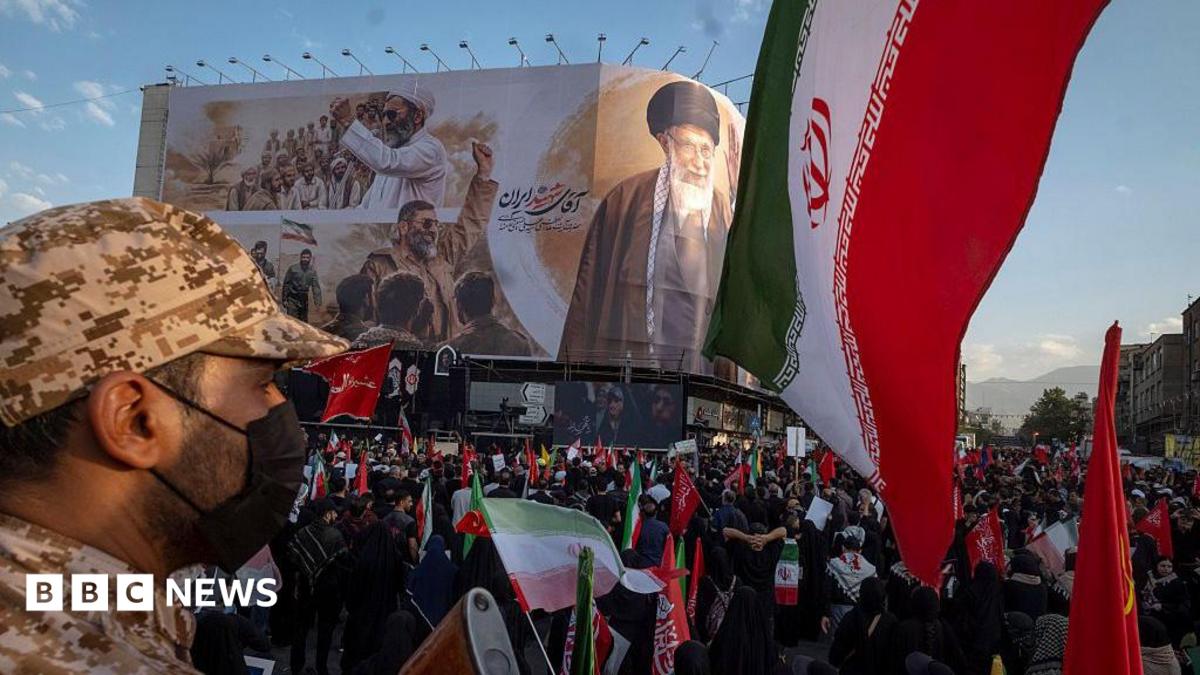
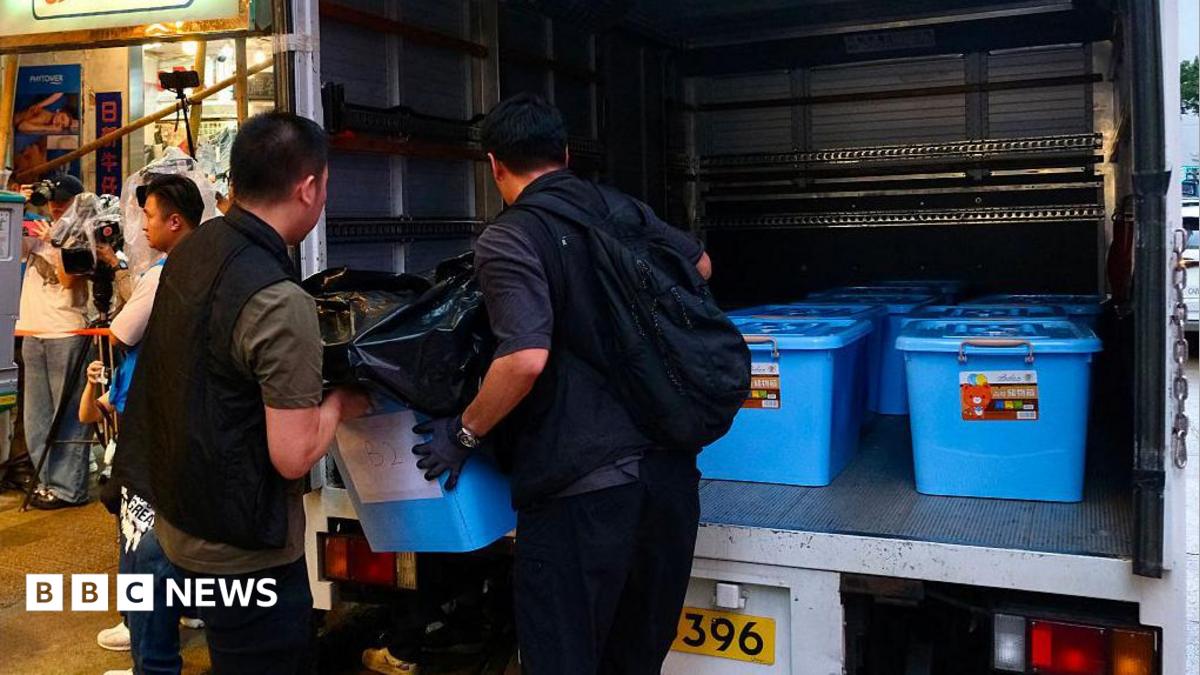
The fourth straight night of US strikes on Iran came with a policy reversal inside the same news cycle: Washington announced a Hormuz blockade, then Trump withdrew the tolls threat hours later while insisting the blockade itself continues, per the Guardian. That is not a ceasefire signal, it is a sign Washington is still improvising the mechanics of a chokepoint blockade it committed to rhetorically before working out the shipping-law details. Oil traders are reading it as real enough, per our own wire, warning of a supply crunch as stockpiles thin. War-risk insurance rates on Hormuz transits are the number to watch, and they have not moved yet, the response a genuine closure would produce. Elsewhere, IBM's 25 percent single-session crash is being treated by the market as company-specific, and China's growth data missed its official target, a data point with more market weight this week than anything coming out of Tehran. Hong Kong's own overnight story, police arresting five over "seditious" books at independent bookshops, is a reminder that the city's information controls tighten in parallel with the geopolitical noise, not despite it. A trade-finance underwriter now has to decide by Friday whether to reprice Gulf transit cover on the blockade claim or wait for a second data point. Watch whether Hormuz war-risk rates move by Friday close; if they hold flat, the blockade is still rhetoric.